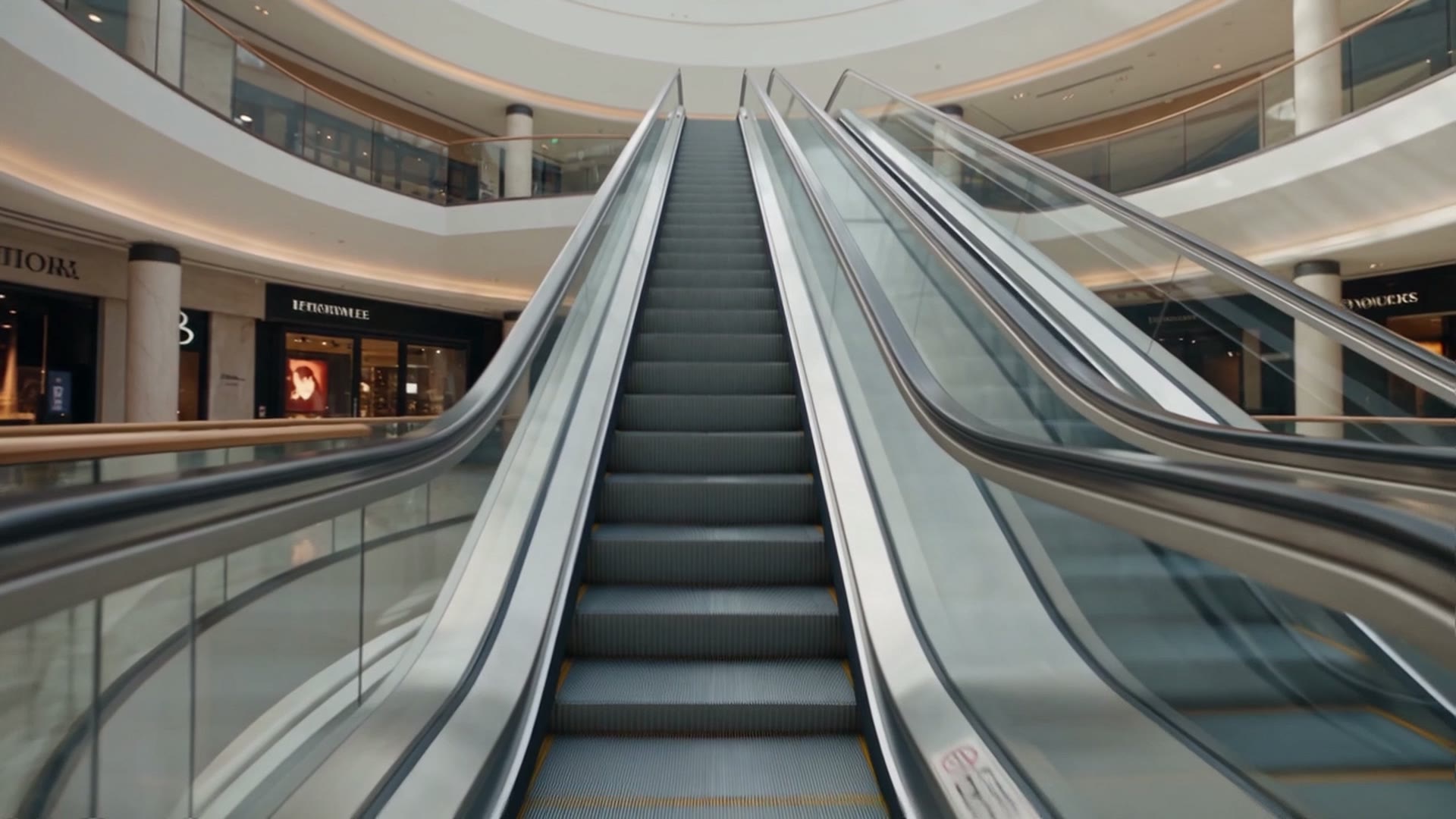
Escalators and walkways
Where people are counted in thousands an hour
Stations, airports, shopping centres, metros. Supply, crane installation, revamping of existing units and maintenance with dedicated crews.
The point
A stopped escalator is a closed corridor: it is designed not to stop.
In a station an escalator makes twenty thousand trips a day. The number that matters is not speed but availability: how many hours a year it stays running.
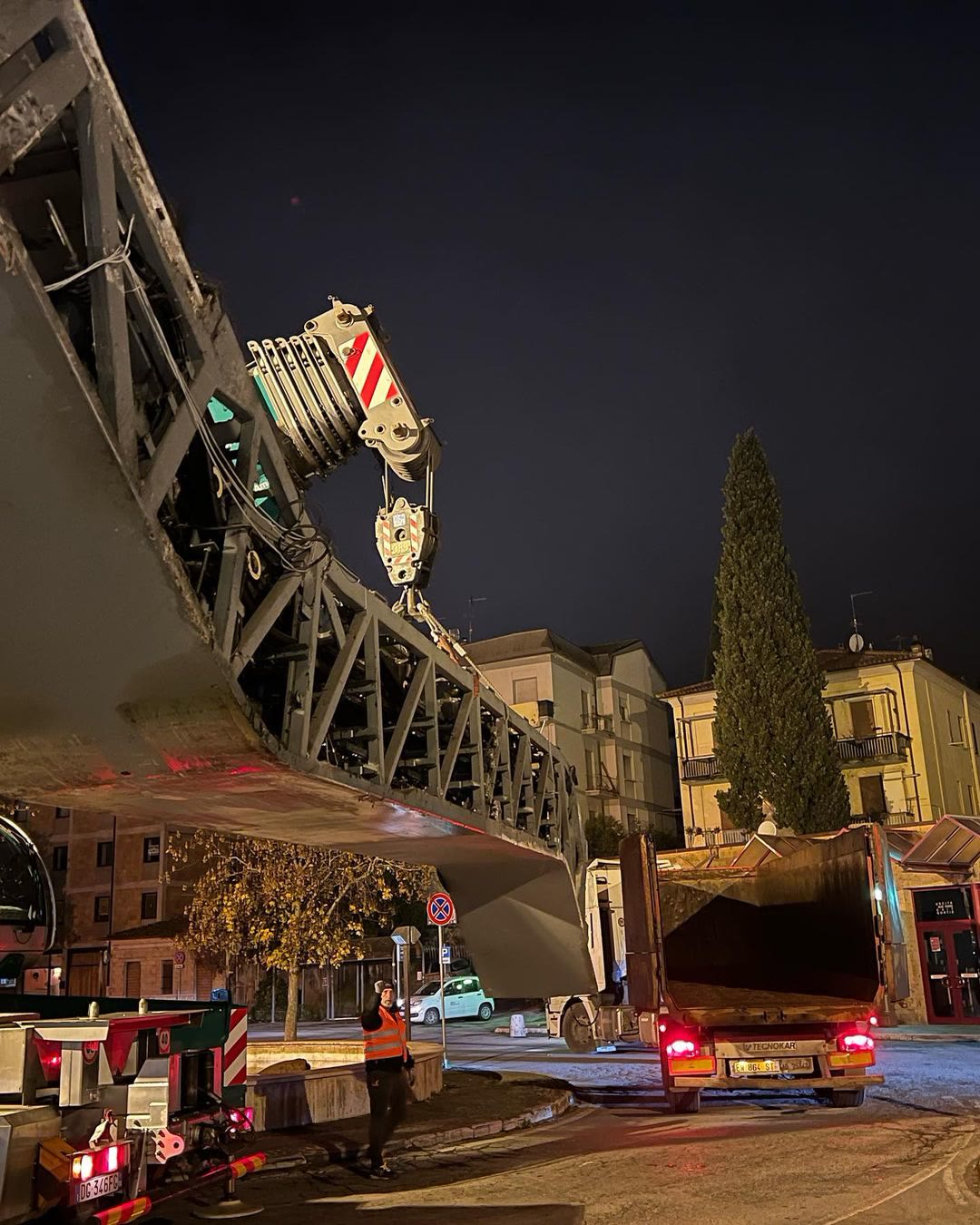
So installation is prepared in the workshop, with the truss pre-assembled and lifted in a single night, and maintenance is organised in the hours when the station sleeps.
We work on new installations and on revamping: chain, steps, handrails and controller replaced on the existing truss, which is often good for another twenty years.

What we install
Escalators, walkways and what keeps them running
-
01
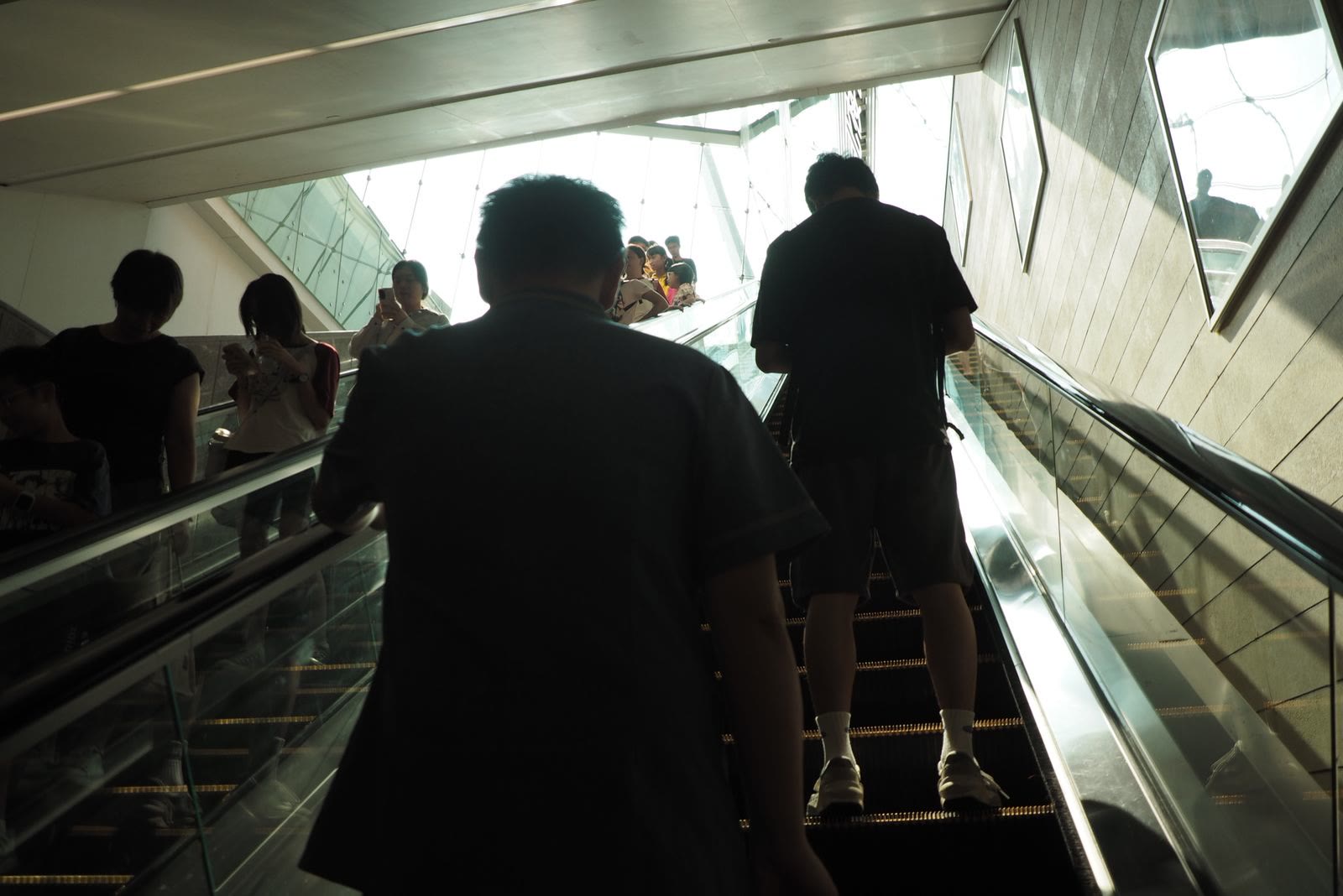
Commercial escalators
30-degree incline, 600, 800 or 1,000 millimetre steps, glass balustrades. For shopping centres, offices and hotels.
-
02
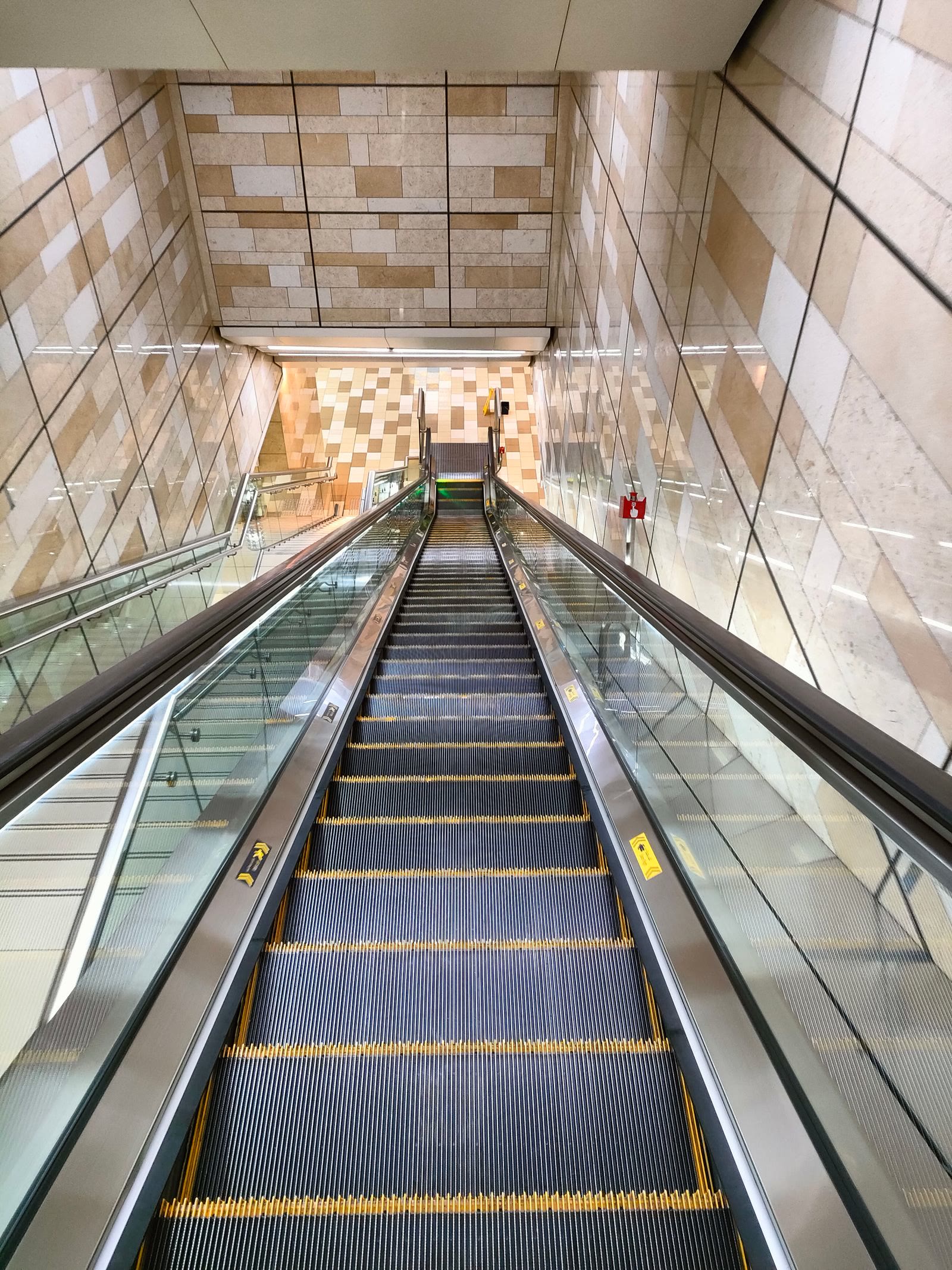
Public transport escalators
Reinforced truss, die-cast aluminium steps, continuous operation 20 hours a day. Stations, metros, airports.
-
03
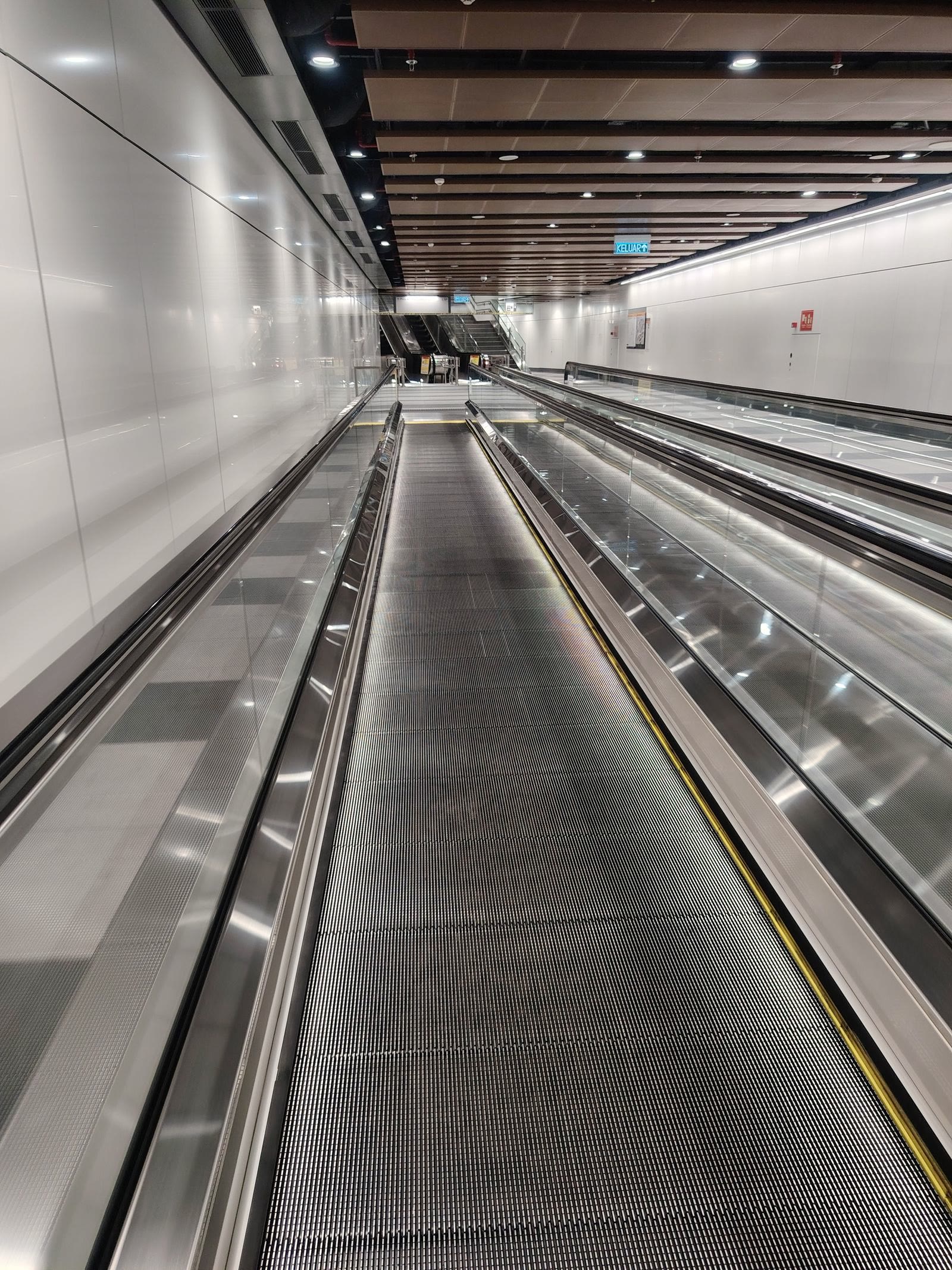
Horizontal moving walkways
For airports and long routes: aluminium pallets, zero incline, speed of 0.5 or 0.65 metres a second.
-
04
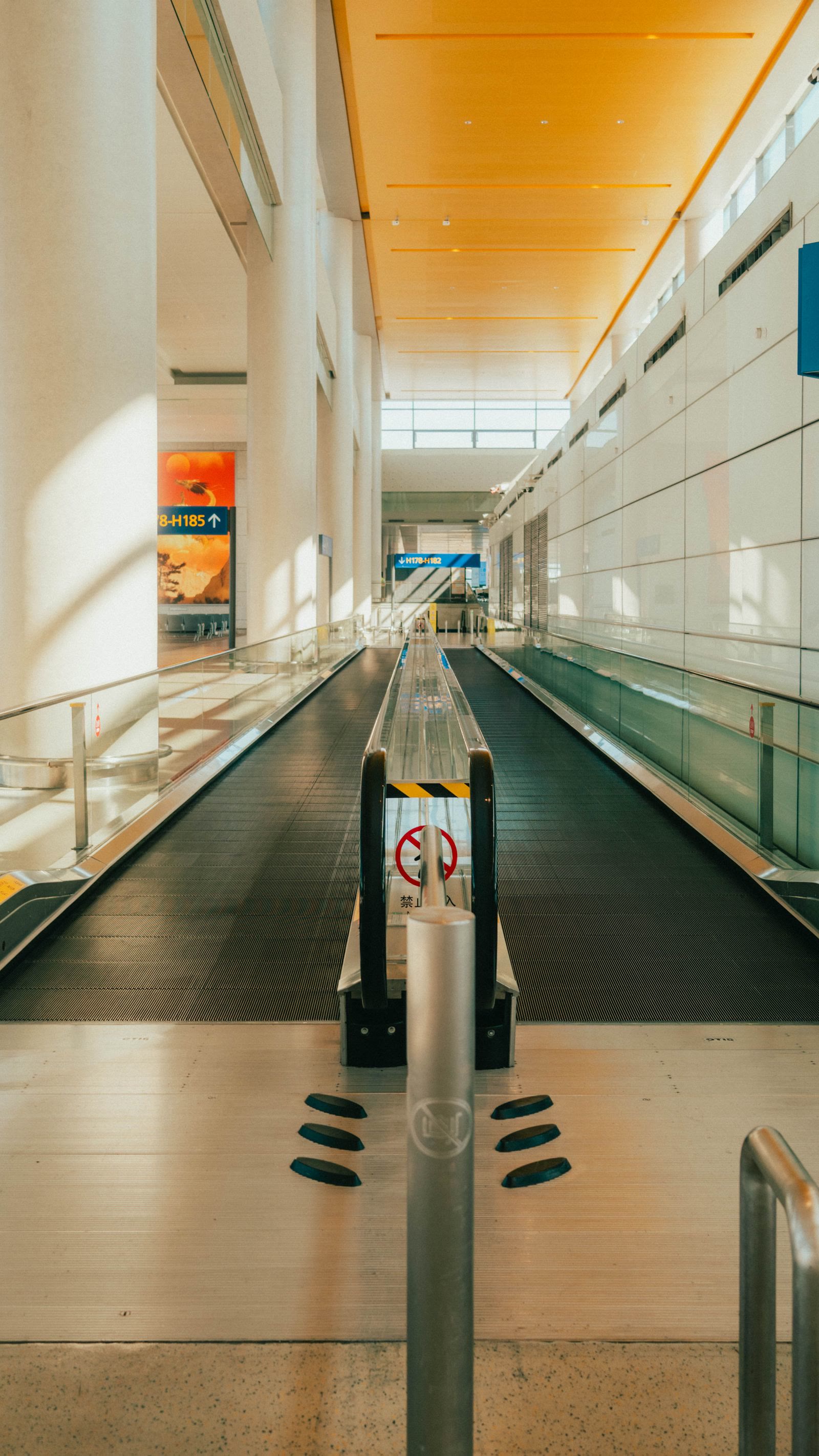
Inclined moving walkways
Up to 12 degrees, for shopping centres with the car park on another level and trolleys that need to go up.
-
05
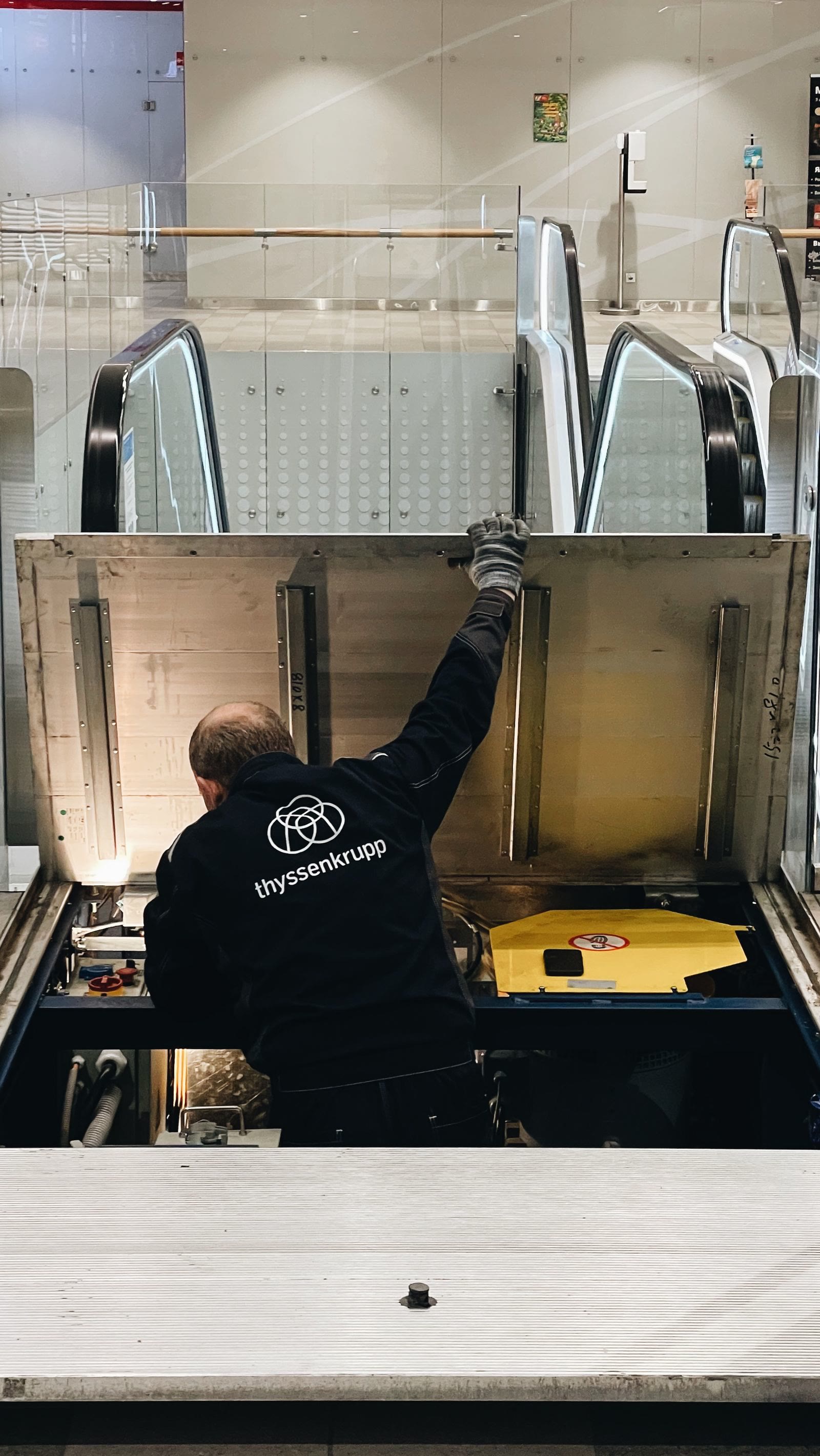
Revamping
Step chain, handrails, drive and controller replaced on the existing truss. Half the cost of a new unit, two weeks on site.


How many people
Step width sets the flow
The theoretical capacity of an escalator at 0.5 metres a second, according to EN 115. Choose the step and read the people per hour.
At 0.65 metres a second capacity rises by a third. Real capacity in service is about half the theoretical figure.
Standard values, not those of a specific unit. Sizing is done on the peak flows measured in the building.
Installation
The truss arrives whole and goes up in a night
-
 01
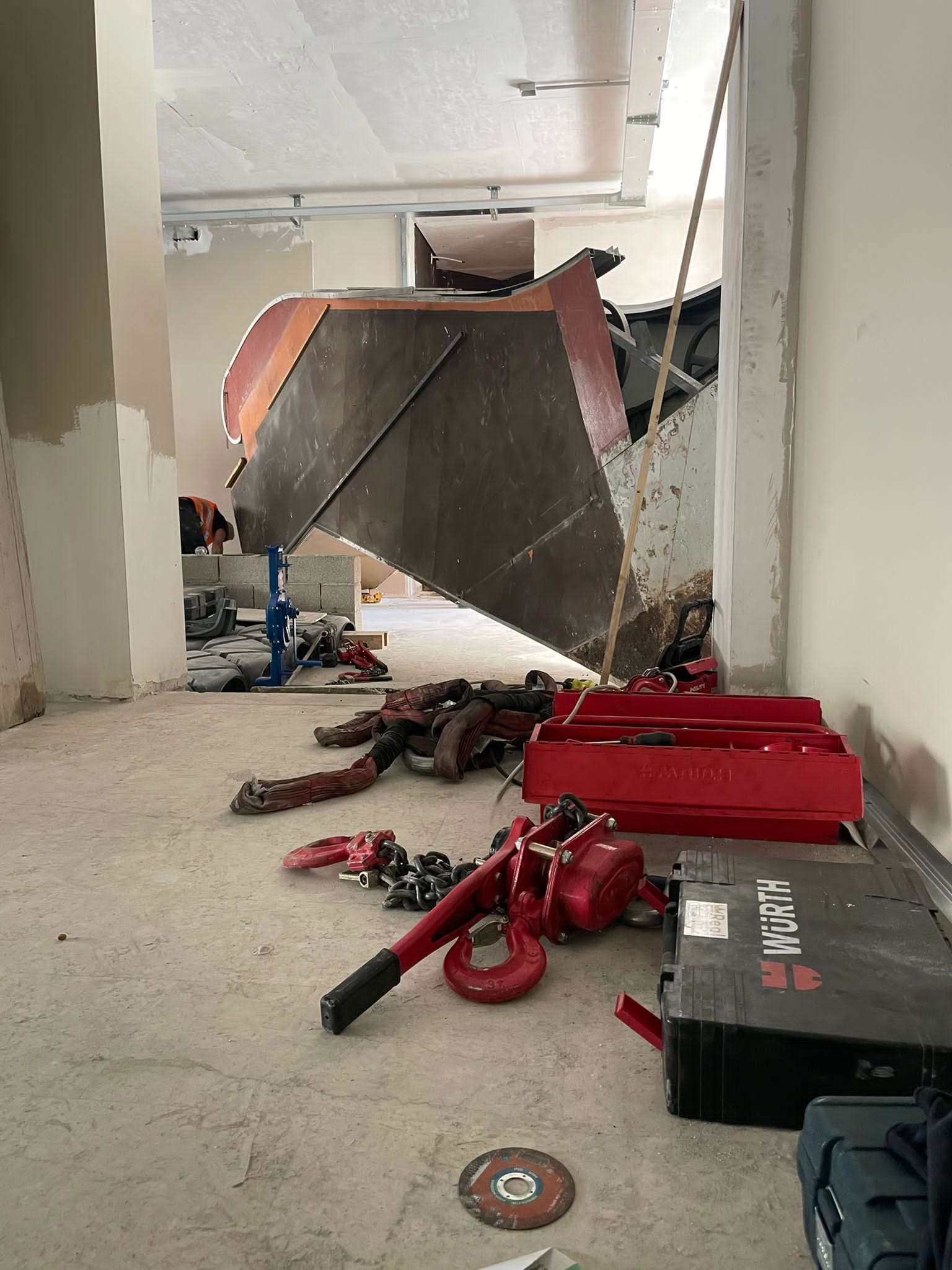
01Survey and structural check
Rise, clear span, supports. The structural engineer checks the loads on the floors before the truss is ordered.
-
 02
02Lifting
Crane in the street, night closure agreed with the council, truss lowered into the well in a few hours.
-
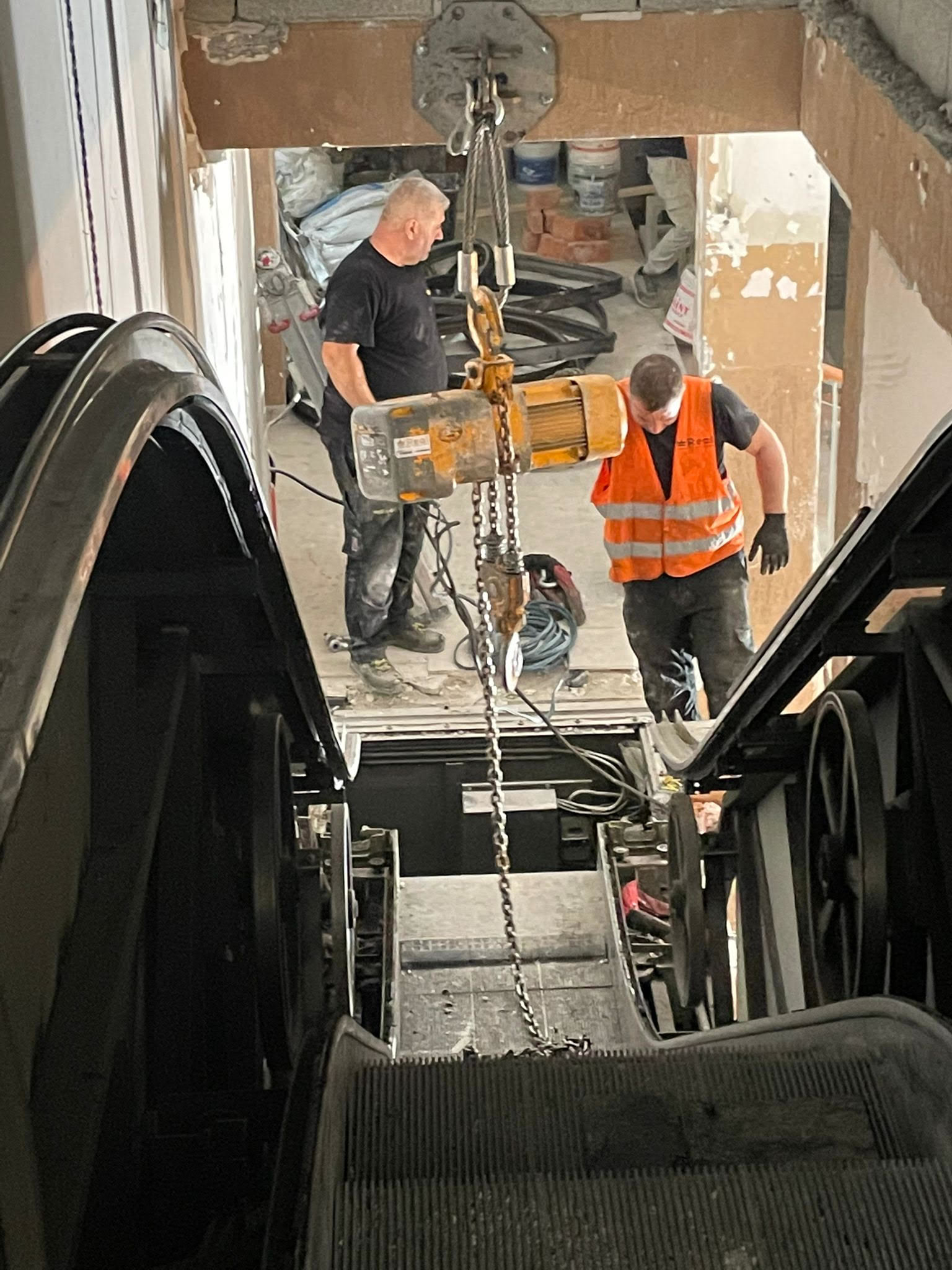 03
03Assembly and inspection
Steps, balustrades, handrails and controller fitted on site. Load tests and notified body inspection.


One of our sites
Before the shops, the escalator
The truss goes in while the building is still a shell: afterwards it would no longer fit through the door.
Questions
Before you write
How long does an escalator last?
The truss thirty or forty years. The chain and steps fifteen to twenty, depending on operating hours. That is why revamping pays: you renew the part that wears and keep the part that lasts.
Do you maintain units by other manufacturers?
Yes, all the main brands. Before signing a contract we inspect the unit and tell you in writing what condition it is in.
How much space is needed?
For a 30-degree escalator the length in plan is about 1.73 times the rise, plus four and a half metres for the landings. A rise of 4.5 metres needs twelve metres of clear length.
A survey and a quote within two weeks
Rise, peak flows and the building's opening hours: we measure the rest.